| |
|
|
|
|
ELY
Içindekiler Tablosu (3 sayfa.) (pdf - TK) 
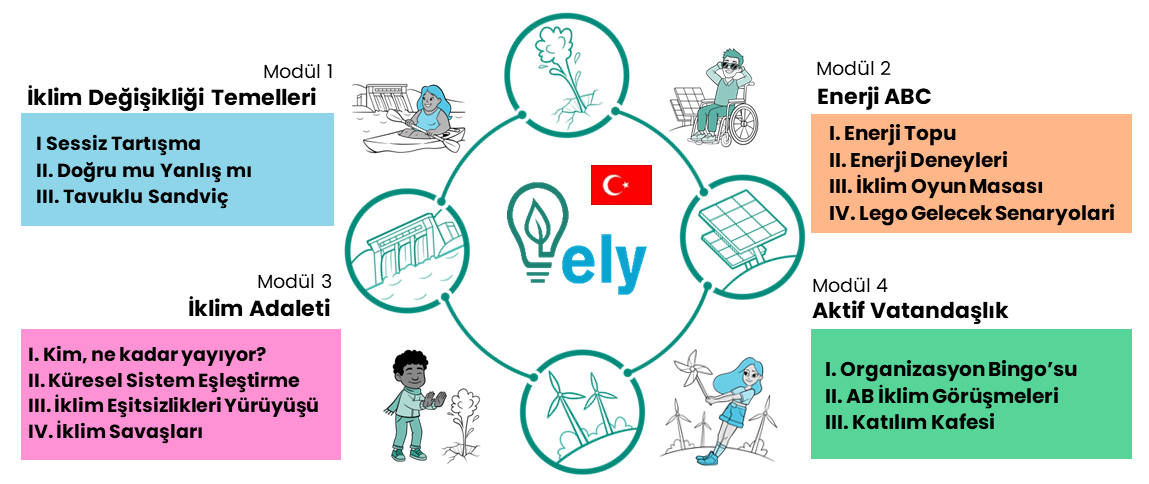
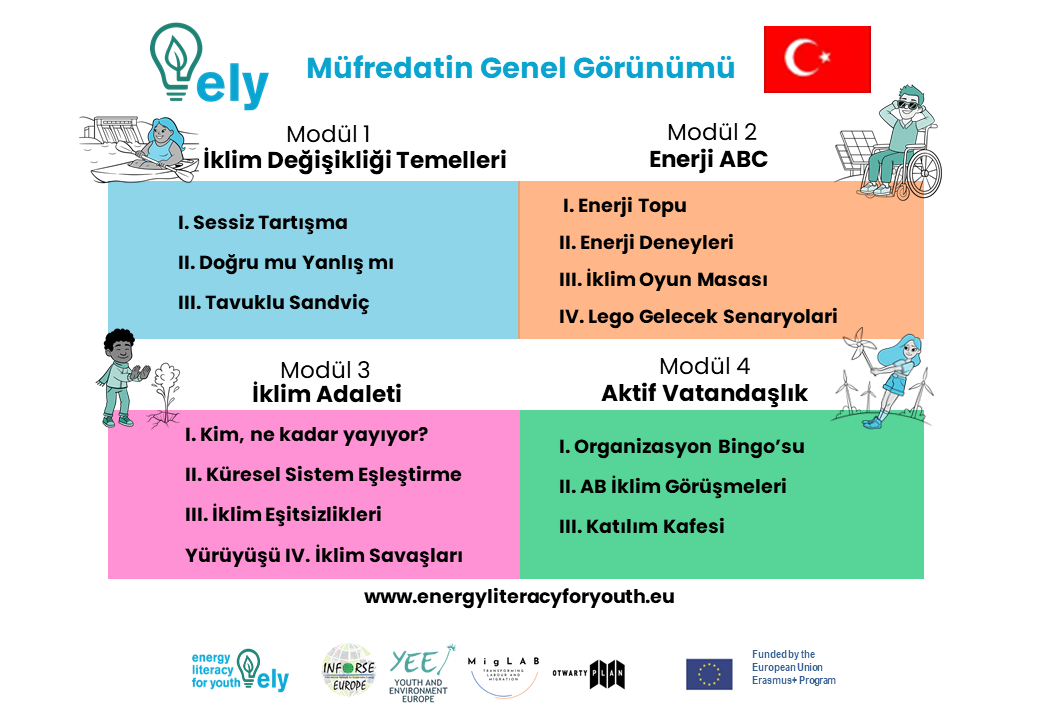
4 modülde 14 yöntemi içeren Gençler İçin Enerji Okuryazarlığı (ELY) Eğitim Materyali
İçindekiler Tablosu.
Her yöntem El Kitabında açıklanmıştır
(37 sayfa) Kolaylaştırıcı Materyali (116 sayfa) ve Bilgi Föyleri (47 sayfa) ile birlikte kullanılmaktadır.
Arka Plan Metni (19 sayfa) proje ve eğitim yöntemlerine dair
bir giriş içermektedir.
|
|
|
ELY
El Kitabi (37 sayfa) (pdf - TK) Eğitmene 4 modüldeki 14 yöntem için eğitimin nasıl yapılacağı
konusunda rehberlik eder. Konunun nasıl tanıtılacağı, nasıl uygulanacağı,
kolay ve ileri düzey versiyonları, tartışma için kullanılabilecek sorular
ve sonuç bölümleri yer almaktadır.
Ayrıca, her bir yöntemin ne kadar süreceği konusunda bir tahmin ile
hangi kolaylaştırıcı/eğitim materyalleri ve bilgi notlarının kullanılabileceği
de belirtilmiştir.
|
|
|
ELY
Kolaylaştırıcı Materyali (116 sayfa) (pdf - TK) 14 yönteme yönelik yazdırabilecek materyalleri içermektedir. Bunların nasıl
kullanılacağı El Kitabında açıklanmıştır. Materyalde çalışma
kağıtları, çözüm sayfaları, posterler, doğru ve yanlış ifadeleri,
CO2 tüketim tuğlaları ve kutu oyunu için oyun tahtası, rol
kartları, sistem kartları, etkinlik kartları, tarihsel zaman
çizelgesi sayfaları vardır.
Bazı yöntemlerde, eğitim seviyesine bağlı olarak eğitimin
nasıl işlenebileceğine dair ek seçenekler de sunulmaktadır.
Enerji deneyleri için eğitmenin, önceden malzeme veya ekipman
satın almak gibi daha fazla hazırlık yapması gerekir. (örn.
taşınabilir güneş pili seti, rüzgâr enerjisi seti, bir wattmetre
veya güneş enerjili radyo). Düşük maliyetli seçenekler de
mevcuttur, ancak bunlar daha uzun hazırlık süresi ve uygulama
süresi gerektirir. (örn. güneş ocağı, saman kutusu veya bisiklet
rüzgâr değirmeni).
Son bölümde, anlaşılır bir dille hazırlanmış bir Terimler
Sözlüğü bulunmaktadır. |
|
|
ELY
Arka Plan (19 sayfa.) (pdf - TK) ELY - Gençler için Enerji Okuryazarlığı projesine
ve eğitim yöntemlerine giriş içerir. |
|
|
ELY
Bilgi Sayfalari (46 sayfa) 12 konu içerir. (47 sayfa, pdf - TK)
Güneş Enerjisi, Rüzgar Enerjisi, Hidroelektrik, Biyokütle
Enerjisi, Isı Pompası, Enerji Tasarrufu, Verimlilik,
Yeterlilik, %100 Yenilenebilir Enerji, Enerji Toplulukları,
İklim Değişikliği Nedir, İklim Değişikliğinin Sosyal
Yönleri, Enerji Yoksulluğu, Enerji Savaşları.
Güneş Enerjisi ve Rüzgâr Enerjisi konulu
Enerji Deneyleri istasyonlarındaki tartışmalarda ek materyaller
kullanılabilir: Bilgi Föylerindeki resimler, haritalar ve grafikler,
tartışmaları desteklemek amacıyla bir dizi soruyla birleştirilebilir.
Ayrıca rüzgar enerjisi ve güneş enerjisinin tarihsel gelişimini
gösteren zaman çizelgeleri de eklenebilir.
|
| |
| Modül
1 - İklim Değişikliği Temelleri |
|
|
1.1. Sessiz Tartışma |
Ne öğrenilir: Katılımcılar, iklim değişikliğinin mekanizmaları - hem nedenleri
hem de etkileri – bilimsel süreçler ve toplumsal etkileri
hakkındaki kendi bilgilerini harekete geçirirler. Bilgi
eksikleri, tartışma ve kolaylaştırıcının açıklamaları giderilir.
Açıklama & Uygulama: Eğitmen posterleri duvara asar. Katılımcılar sessizce odada dolaşarak
posterleri inceler ve akıllarına gelenleri posterlerin üzerine
yazarlar (birinci tur). Ardından bunun iklim değişikliğiyle
bağlantısının ne olduğunu not ederler (ikinci tur). Daha
sonra en ilginç buldukları kağıdı seçerek, konusal olarak
en çok bağlantılı olduğunu düşündükleri bir diğer kağıdın
yanına yerleştirirler.
Posterlerin etrafında oluşan gruplar, aralarındaki bağlantıyı
tartışır ve diğer katılımcılara sunar. Son olarak hep birlikte
iklim değişikliği ve bunun toplumun farklı yönleri üzerindeki
etkileri tartışılır.
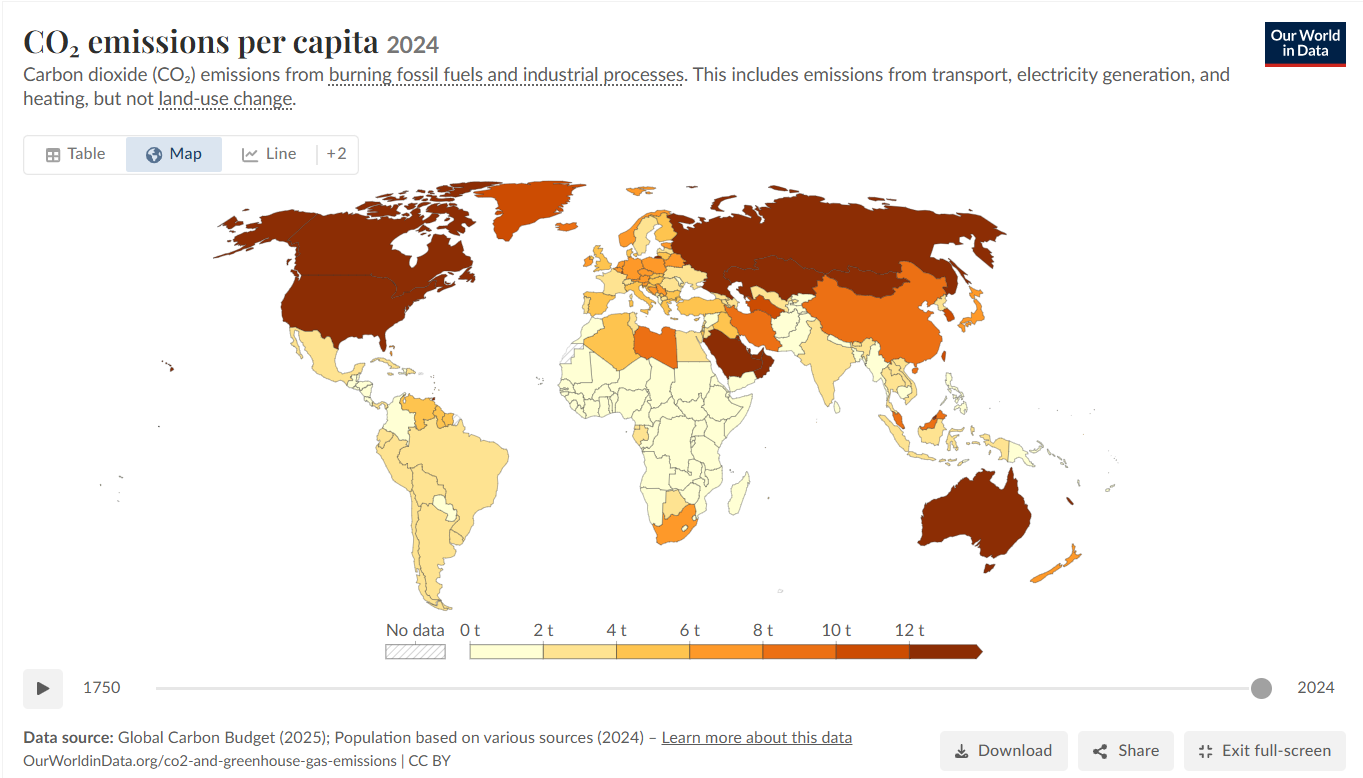
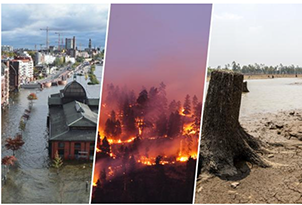
Posterlerde iklim değişikliğinin etkilerine dair görseller
(kuraklık, sel, orman yangını), küresel sıcaklık ile CO2
emisyonlarındaki artışı gösteren grafikler, küresel CO2 emisyon
haritaları, termik santraller, ulaşım görselleri ve rüzgar/güneş
enerjisi gibi çözüm yolları yer alır.
-
Kullanılacak
materyaller: El Kitabı
sayfalar: #8-9 ve Kolaylaştırıcı Materyali: #2-15. (13
poster)
- İlgili Bilgi Föyleri:
İklim Değişikliği Nedir, İklim Değişikliğinin Sosyal Yönleri.
|
:-) ? :-(
|
1.2.
Doğru mu Yanlış mı |
Ne öğrenilir: İklim değişikliğinin etkileri hakkında farkındalık yaratılır ve
doğru ile yanlışı ayırt etmeye yönelik eleştirel düşünme ihtiyacı
vurgulanır.
Açıklama & Uygulama: Katılımcılar
grubuna iklim etkileriyle ilgili çeşitli ifadeler verilir;
grup bunları tartışır ve ifadelerin doğru mu yoksa yanlış
mı olduğuna
karar verir. Ardından grup, vardığı sonuçları diğerlerine sunar
ve hep birlikte tartışılır. Son olarak, kolaylaştırıcı konuyla
ilgili açıklamalarda bulunur.
-
Kullanılacak
materyaller: El
Kitabı sayfalar: #10 ve Kolaylaştırıcı Materyali: #16-19.
- İlgili Bilgi Föyleri:
İklim Değişikliği Nedir, İklim Değişikliğinin Sosyal Yönleri.
|
|
|
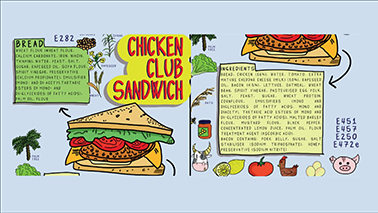
1.3.
Tavuklu sandviç |
Ne öğrenilir: Gıda ile sürdürülebilirlik, çevre ve insan sağlığı arasındaki bağlantılar
keşfedilir Ne yediğimiz ve bunun etkileri üzerine düşünülür.
Açıklama & Uygulama: 3-4
kişilik her ekibe bir Tavuk Sandviç içeriği ve iklim ile
çevresel etkileri
içeren ifadelerin olduğu bir bilgi föyü verilir. Amaç, hangi
etkilerin doğrudan Tavuklu Sandviç ile ilişkili olduğuna karar
vermektir.
-
Kullanılacak
materyaller: El
Kitabı sayfalar: #11 ve Kolaylaştırıcı Materyali #20-22.
- İlgili Bilgi Föyleri: İklim
Değişikliği Nedir, İklim Değişikliğinin Sosyal Yönleri.
|
| Module
2 - Enerji ABC |
|
|
|
|
2.1,
Enerji Topu |
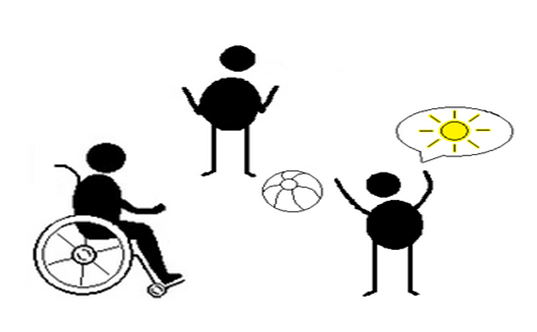
Ne öğrenilir: Hareket ve hızlı fikir paylaşımı yoluyla ön bilgileri harekete
geçiren etkileşimli bir buz kırıcı (enerjizer) aktivitesi.
Enerji tasarrufu için neler yaptığımızı ve hangi yenilenebilir
enerji türlerinin bulunduğunu öğrenme fırsatı sunar.
Açıklama & Uygulama: Grup
çember şeklinde dizilir ve katılımcılar birbirlerine top atarlar.
Topu atan kişi belirlenen konu hakkında bir şeyler söyler.
Konular şunlardır: Enerjiyi nasıl kullanıyoruz? Çevre için
ne yapıyoruz?
Bildiğiniz yenilenebilir ve yenilenemez enerji kaynakları nelerdir?
kolaylaştırıcı ortaya çıkan fikirleri bir flipchart üzerine
yazar; sonrasında katılımcılar bu listeyi tartışarak eksik
kalan noktaları
tamamlarlar.
-
Kullanılacak
materyaller: El
Kitabı sayfalar: #13-14 ve Kolaylaştırıcı Materyali: #23.
- İlgili Bilgi Föyleri: Enerji
Tasarrufu, Verimlilik ve Yeterlilik, %100 Yenilenebilir Enerji.
|
|
|
2.2.
Enerji Deneyleri |
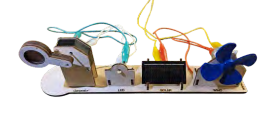
Ne öğrenilir: Enerji kullanımını (elektrik sayacı ile ölçüm), yenilenebilir enerji
üretimi ve aktarımı (güneş, rüzgar, mekanik) ve yemek pişirme
yöntemleri deneylerle uygulamalı olarak keşfedilir. Bilgi Föylerindeki
harita, grafik ve resimlerin kullanımıyla bölgesel farklılıklar
ile eşitsizlikler boyutu da tartışmaya açılır.
Açıklama & Uygulama: Her takımın sırayla dolaştığı 5 uygulamalı istasyon kurulur. Katılımcılar
bu istasyonlarda yenilenebilir enerji modellerini test eder,
enerji kullanımını ölçüp verimliliği karşılaştırır; yemek
pişirme seçeneklerini keşfederken Kuzey ve Güney yarımküreler
arasındaki farklılıkları ve kadınların rolünü tartışırlar.
Bu etkinlik, bisikleti yel değirmenine dönüştürmek, güneş
ocağı veya saman kutusu yapmak ve eğitim sırasında bizzat
yemek pişirmek gibi daha uzun hazırlık ve uygulama süresi
gerektiren düşük maliyetli alternatif yöntemleri de içerir.
- Kullanılacak materyaller: El
Kitabı’ndaki sayfalar #15-18 ve Kolaylaştırıcı Materyal:
5 istasyon, #24-48.
- İlgili Bilgi Föyleri: Güneş Enerjisi, Rüzgar Enerjisi,
Biyokütle Enerjisi, %100 Yenilenebilir Enerji, Enerji Tasarrufu
ve
Verimliliği.
- Ek seçenek: Güneş ve rüzgar enerjisinin tarihsel gelişim
kağıtlarını, resim ve grafikleri kullanarak bir dizi basit
soruyu cevaplamak ve üzerine tartışmak.
|
|
|
2.3.
İklim Oyun Masası -
CO2 Ayak İzi
|
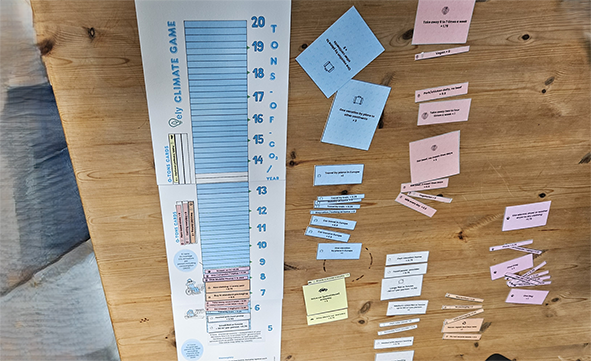
Ne öğrenilir: Yaşam tarzı seçimlerimizin bireysel karbon ayak izimizi nasıl etkilediği
ve devlet politikalarının bu seçimleri nasıl yönlendirdiği
keşfedilir.
Açıklama & Uygulama: 3-4 kişilik takımlara bir oyun tahtası ve yıllık ton cinsinden CO2 kullanımını simgeleyen, farklı sektörlere ait CO2 tuğlaları
dağıtılır. Her takım yaşam tarzına dair kararlar alır: Et/tavuk
mu yiyorlar yoksa vejetaryenler mi? Araba kullanıyorlar mı?
Evcil hayvanları (köpek/kedi) var mı? Bilgisayarları var
mı? Evlerini nasıl ısıtıyorlar? Tatile uçak, tren veya bisikletle
mi gidiyorlar yoksa evde mi kalıyorlar?
Tipik seçimler genellikle aşırı CO2 tüketimiyle sonuçlanır,
bu nedenle bir sonraki turda tüketimi azaltmaları gerekir.
Oyun sırasında 2 veya 3 azaltım turu yapılabilir. Her takım
yaptığı tercihlerin nedenini açıklar. CO2 miktarını en fazla
azaltan takım oyunu kazanır.
Son olarak, bireysel seçimlere bağlı olmayan fakat hükümetlerin
mevzuat veya mali destekleriyle belirlenen temel CO2 kullanımını
azaltma seçeneği devreye girer. Sektör bazında CO2'yi artırabilen
veya azaltabilen Politika Kartları kullanılır. Takımlar her
seçimi aralarında tartışır. Bu oyun, yaşam tarzı tercihlerinin
ve politik kararların karbon ayak izimizi nasıl şekillendirdiğini
göstermek açısından harika bir tartışma ortamı yaratır.
- Kullanılacak materyaller:
El Kitabı’ndaki sayfalar: #19-20 ve Kolaylaştırıcı Materyal
#49-66.
- İlgili Bilgi Föyleri: Enerji
Tasarrufu, Verimliliği ve Yeterliliği, Isı Pompası, İklim
Değişikliğinin Sosyal Yönleri.
|
|
|
2.4.
Lego ile Gelecek Senaryoları İnşa Etmek
|
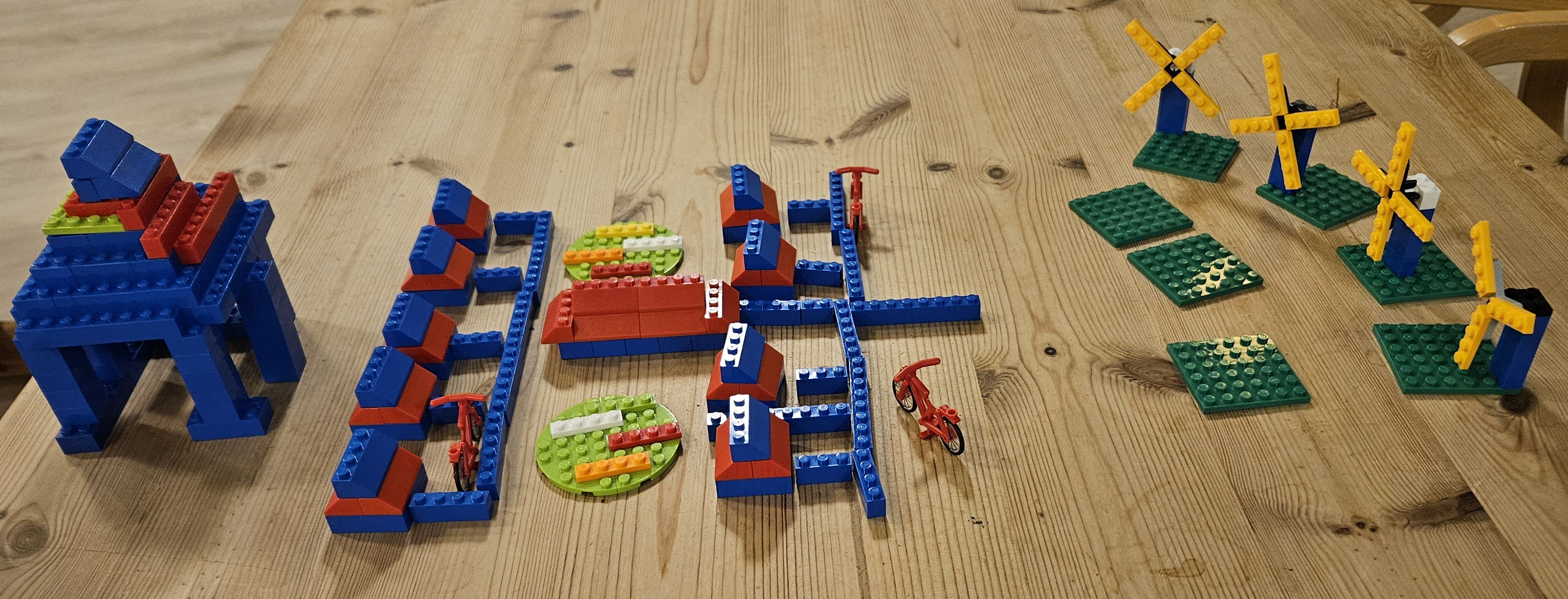
Ne öğrenilir: Lego, hayal gücünü serbest bırakır. Geleceğe dair iyimser bir vizyon
yaratarak ve yenilenebilir enerji üretiminde topluluğun gücünü
göstererek katılımcıları değişimin bir parçası olmaları için
cesaretlendirir.
Açıklama & Uygulama: LEGO kullanarak, iklim nötr gelecek toplulukları inşa etmeye
yönelik yaratıcı bir grup çalışması. Kolaylaştırıcı, büyük
bir kutu LEGO ile bir alan hazırlar. Katılımcılar; evler, bahçeler,
topluluk merkezleri, rüzgar ve güneş enerjisi sistemleri gibi
öğeleri içeren bir gelecek modeli tasarlamayı keşfederler.
Bazıları karmaşık yapılar kurarken bazıları daha basit ilerler.
Hiçbir tasarım yanlış değildir; asıl olan hayal gücü ve katılımdır.
Bu etkinliğin en önemli unsuru eşlik eden tartışmalardır. İnşa
sürecinden önce katılımcılara enerji topluluğunun ne olduğu,
yenilenebilir enerji topluluğu kurmak için 8 temel neden, bunu
gerçekleştirmenin 6 adımı anlatılır ve başarılı örnekler incelenir.
-
Kullanılacak
materyaller: El Kitabı sayfalar:
#21-22 ve Kolaylaştırıcı Materyal #67-72.
- İlgili Bilgi Föyü: Enerji Toplulukları.
|
| Module
3 - İklim Adaleti |
|
|
|
|
3.1.
Kim, ne kadar yayıyor ?
|
Ne
öğrenilir: BM Paris Anlaşması, ülkelerin
küresel ısınmayı sınırlandırması için hedefler belirler. Hangi
ülkelerin en büyük ve en küçük CO2 yayıcıları olduğu tespit
edilir. Hükümetlerin, kuruluşların ve bireylerin rolleri de
dâhil olmak üzere, emisyonları sınırlandırma sorumluluğu üzerine
düşünülür.
Açıklama & Uygulama:
Ülkeleri Sıralama: Gruplara bir ülke listesi verilir ve bu
ülkeleri CO2 emisyon miktarlarına göre sıralamaları istenir.
Gruplar dilerse sıralamayı kişi başına düşen CO2 emisyonuna
göre de yapabilir veya sadece aradaki farkları tartışabilirler.
Bu yöntem, tarihsel sorumluluk ve adalet üzerine bir tartışma
başlatır.
Dört Köşe Etkinliği
(Önce Kim Harekete Geçmeli): Kolaylaştırıcı
odanın dört köşesini belirler: 1) Tarihsel olarak en çok emisyon
yapan yüksek gelirli ülkeler, 2) Şu an en çok emisyon yapanlar
arasında yer alan gelişmekte olan ekonomiler (ör. Çin, Hindistan,
Brezilya), 3) Uluslararası kuruluşlar (BM vb.), 4) Bireyler,
STK'lar ve yerel topluluklar.
Katılımcılardan, emisyonları azaltmada kimin öncülük etmesi
gerektiğini düşünüyorlarsa o köşeye geçmeleri ve görüşlerini
gerekçelendirmeleri istenir.
- Kullanılacak materyaller: El Kitabı sayfalar: #24-25 ve Kolaylaştırıcı
Materyal #73-74.
- İlgili Bilgi Föyü: İklim Değişikliğinin Sosyal Yönleri. |
|
|
3.2.
Küresel Sistem Eşleştirme |
Ne öğrenilir: Enerji sistemlerinin endüstriler ve altyapılar arasında nasıl birbirine
bağlandığına dair bir kavrayış oluşturulur. İklimin insanlar
üzerindeki çevresel ve sosyal etkileri ile farklı sektörlerle
bağlantıları gösterilir. Hükümetlerin, belediyelerin ve büyük
şirketlerin rolü tartışılır.
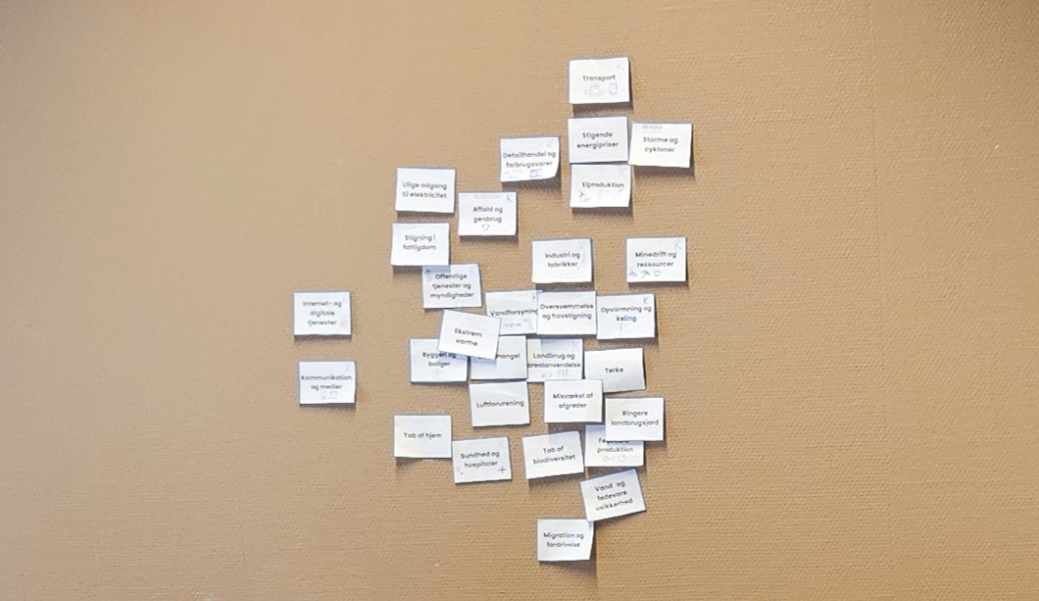
Açıklama & Uygulama: Küresel sistemlerin emisyonları ve eşitsizliği nasıl tetiklediğini
göstermek adına, farklı sektörlerdeki enerji kullanımını ve
bunların sonuçlarını ilişkilendiren ortak bir haritalama egzersizidir.
Kolaylaştırıcılar kategoriler üzerine beyin fırtınası yapar
ya da kolaylaştırıcı materyalindeki hazır kartları kullanır.
Enerji Kullanım Sektörleri (ulaşım, gıda, sağlık vb.) için
15 kart, çevresel etkiler (sıcak hava dalgaları, kuraklık,
sel vb.) için 9 kart ve sosyal etkiler (ev kaybı, su sıkıntısı,
göç vb.) için 9 kart bulunur.
Katılımcılar bir veya iki sektör kartı alıp bunları yazı tahtasına
ya da duvara asarlar. Her kart, kendisiyle en çok bağlantılı
olanların yanına yerleştirilir ve katılımcılar bu ilişkileri
tartışır. Bağlantıları göstermek için kartlar arasına çizgiler
çekilebilir. Etki kartları bir sonraki turda eklenebilir.
- Kullanılacak materyaller: El Kitabı: #26-28
ve Kolaylaştırıcı Materyali #75-80 (sektör ve etki kartları).
- İlgili Bilgi Föyü: İklim Değişikliğinin Sosyal Yönleri. |
|
|
3.3.
İklim Eşitsizlikleri Yürüyüşü |
Ne öğrenilir: Küresel çevre adaleti konusunda empati kurma ve eleştirel düşünme
becerisi geliştirilir. İklim adaletsizliğinin sınıf ve coğrafi
konum boyutları anlaşılır. İklim değişikliği, ekonomik sistemin
bir sonucu olarak çerçevelenir.
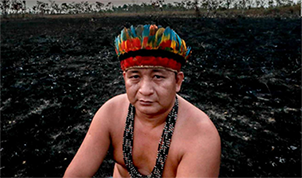
Açıklama & Uygulama: Gerçek hayattaki iklim etkilerini yansıtan, duygusal katılımı
teşvik eden hareket ve hikaye odaklı bir yürüyüş aktivitesidir.
Hikayeler arasında çevre kirliliği, batan adalar, soya üretimi
için yok edilen ormanlar, hidrolik kırma (fracking), elektronik
atıklar, kömür madenciliği, orman yangınları ve elektrikli
araç fabrikalarındaki göçmen işçiler gibi konular yer alır.
Bir resim, kısa açıklama ve 2 soru içeren 11 vaka hikayesi
kağıdı bulunur: "Çevre ve iklim üzerinde ne gibi etkiler görüyorsunuz?" ve "Toplum ve ekonomi üzerindeki etkileri nelerdir?". Katılımcılar etrafta gezinerek soruları cevaplarlar.
- Kullanılacak materyaller: El
Kitabı sayfalar: #29-30 ve Kolaylaştırıcı Materyal #83-93
(vaka hikaye sayfaları).
- İlgili Bilgi Föyleri: İklim
Değişikliğinin Sosyal Yönleri, Enerji Yoksulluğu, Enerji
Savaşları. |
|
|
3.4.
İklim Savaşları |
Ne öğrenilir: İklim değişikliğinin modern çatışmalara nasıl katkı sağladığı ve
barış ile güvenliği nasıl etkilediği kavranır. İklimle bağlantılı
küresel gerilim örnekleri tespit edilir.
Açıklama & Uygulama: İklim baskılarıyla şekillenen çatışmaları inceleyen; barış,
kaynaklar ve adalet üzerine tartışmayı tetikleyen vaka tabanlı
bir etkinliktir. Vakaları belirlemek için beyin fırtınası yapılabilir
veya hazır çatışma kartları ile videolar kullanılabilir. Her
takım bir çatışma kartı alır ve şu soruları tartışarak ortak
cevaplar bulur: "Çatışmaya ne sebep oluyor?", "Hangi gruplar bu işin içinde?" ve "Bunun iklim değişikliği, enerji veya ekonomi ile bağlantısı nedir?". Kartlar dünya haritası üzerine yerleştirilir. Ardından gruplar inceledikleri
vakaları ve ulaştıkları sonuçları diğerlerine sunar. Son aşamada
ise şu sorular tartışılır: "Bu çatışmaları nasıl çözebiliriz?" ve "Gelecekte benzerlerini önlemek için ne yapabiliriz?".
- Kullanılacak materyaller: El Kitabı sayfalar:
#31-32 ve Kolaylaştırıcı Materyal #94-98. (çatışma kartları)
- İlgili Bilgi Föyleri:
İklim Değişikliğinin Sosyal Yönleri, Enerji Savaşları.
|
Module
4 - Aktif Vatandaşlık
|
|
|
|
|
4.1.
Organizasyon Bingo'su |
Ne öğrenilir: Uluslararası iklim kuruluşları ve süreçlerine aşinalık kazanılır.
Küresel organizasyonlar ile katılımcıların aşina olduğu yerel
organizasyonlar arasında bağ kurulur.
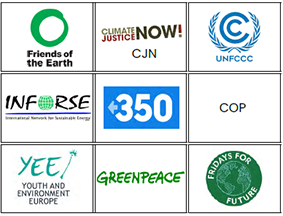
Açıklama& Nasıl gidiyorsun: Kartlarda sayılar yerine kurum logolarının yer aldığı geleneksel
tombala (bingo) oyunudur. Kolaylaştırıcı bir film izletir veya
kuruluş adlarının hikayenin bir parçası olduğu bir metin okur.
Katılımcılar, duydukları kuruluşun üzerini kartta çizerler ve
bir satırdaki tüm kuruluşlar tamamlandığında "Bingo!" derler.
Bu eğlenceli yöntemle uluslararası iklim müzakerelerini yürüten
kurumlar ile ulusal ve yerel organizasyonlar tanıtılmış olur.
Oyunun ardından, uluslararası aktörlerden yerel girişimlere uzanan
bağlantı ağının nasıl işlediği üzerine bir tartışma yapılır.
Kolaylaştırıcı kılavuzunda bir örnek mevcuttur ancak genelde
kolaylaştırıcının yerel bir versiyon hazırlaması önerilir. (Bingo
hikâyelerini toplamayı planlıyoruz. Eğer kendinize özgü bir bingo
hikayesi hazırlarsanız, ove@inforse.org adresine göndererek bizimle
paylaşabilirsiniz.)
- Kullanılacak materyaller: El
Kitabı sayfalar: #34-35 ve Kolaylaştırıcı Materyal #99-101.
- İlgili Bilgi Föyü: İklim
Değişikliği. |
|
|
4.2.
AB İklim Görüşmeleri |
Ne öğrenilir: Ulusal ve AB enerji politikalarındaki demokratik zorluklar anlaşılır.
Müzakere ve işbirliği becerileri pratik edilir.
Açıklama & Uygulama: Katılımcıların, AB iklim ve enerji politikaları hedeflerine ulaşmak
için ülkelerinin ulusal hedeflerini müzakere eden Bakanlar
rolünü üstlendikleri bir simülasyon oyunudur. Kolaylaştırıcı
ülke ve politika kartlarını takımlara dağıtır. 3 ülke (Danimarka,
Almanya, Polonya) bulunmaktadır. Her ülke takımı, 4 farklı
sektördeki politika kartlarını tartışacak 3-4 Bakan ve bir
Başbakan'dan oluşur. Bakanlar, temsil ettikleri rollerin
çıkarları doğrultusunda hareket ederler. Takımlar, CO2 azaltım
etkisi yaratacak ve üzerinde uzlaşabilecekleri politika seçeneklerini
tartışır, müzakere eder ve belirler.
Ardından kararlarını sunarlar ve diğer takımlar bu kararlara
geri bildirimde bulunur. Kolaylaştırıcı oyunda Avrupa Komisyonu
Üyesi rolünü üstlenebilir. Eğer hedeflenen genel azaltım
oranına ulaşılamazsa, ülkeler tekrar masaya oturup tartışarak
tavizler vermek zorunda kalır.
Oyunun daha ileri versiyonunda, katılımcılar seçimlerini
bir Excel dosyasına girebilir ve sistem elde edilen emisyon
azaltımını otomatik hesaplayabilir. Bu şekilde hangi kararların
hedefi tutturduğu daha net görülebilir.
-
Kullanılacak materyaller: El Kitabı
sayfalar: #36-37 ve Kolaylaştırıcı Materyal #102-110.
- İlgili Bilgi Föyü: %100 Yenilenebilir Enerji. |
|
|
4.3.
Katılım Kafesi / Çalıştayı |
Ne öğrenilir: Sivil ve demokratik katılımın çeşitli formları tanımlanır. Kendi
eylemliliklerimiz ve başkalarının katılımları üzerine düşünülür.
Gelecekte aktif vatandaşlığın benimsenmesi teşvik edilir.
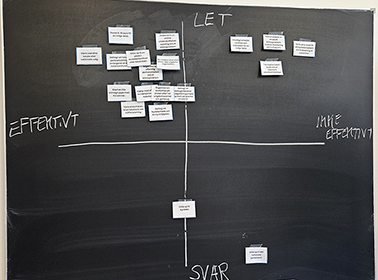
Açıklama & Uygulama: Kolaylaştırıcı, eylemin ne kadar kolay/zor ve ne kadar etkili
olduğunu gösteren yatay ve dikey eksenli bir grafik çizer.
Katılımcılara farklı sivil eylemleri tanımlayan kartlar (ör.
imza kampanyası başlatmak, çevre temizliğine katılmak, ikinci
el pazarı kurmak, belediye meclisi üyeliğine aday olmak vb.)
dağıtılır. Katılımcılar kartları okur ve bu eylemleri zorluk
derecesi ile yaratacağı etkiye göre grafiğe yerleştirirler.
Son olarak katılımcılar daha önce hangilerini bizzat yaptıklarını
işaretleyip tartışır, eksik olan eylemleri listeye ekler ve
farklı eylem türleri hakkındaki düşüncelerini birbirleriyle
paylaşırlar.
- Kullanılacak materyal: El Kitabı sayfalar: #38-39 ve Kolaylaştırıcı
Materyal #110-113 (eylem kartları)
- İlgili Bilgi Föyü: İklim Değişikliği Nedir? |
|
| |
| |
The
Project "Energy Literacy for Youth" [ELY] is capacity building for youth education that supports the skills and abilities
of young people to become active citizens in the fields of climate
change and renewable energy. Energy literacy empowers individuals and communities to make informed decisions
regarding energy use, promoting sustainability, and mitigating climate
change. The target groups are young people (18-25 years old), educators and trainers,
policy makers and general public. There will be special focus on inclusivity,
and diversity addressing the knowledge gaps among youth in marginalised
groups with different socio-cultural backgrounds, disabilities, etc.
The ELY project is financially supported by the EU ERASMUS+ program.
Project
partners: Open Plan Foundation (Poland, project lead), MigLAB (Germany), YEE - Youth and
Environment Europe (Czechia), and INFORSE-Europe (Denmark).
Project
Area: The project is implemented in five countries - Poland, Czechia, Denmark, and
Germany - and will culminate in a final conference in Brussels
to share best practices, outcomes, and strategies for broader
adoption of the curriculum.
|
| |
| Read
more at the ELY Project's web site: https://energyliteracyforyouth.eu/ and at the project partners' websites: |
|
|
| Partners
of the Project: |
|
|
|
|
|
INFORSE-Europe
International Network for Sustainable Energy - Europe, Denmark
att. Gunnar Boye Olesen, Judit Szoleczky, Rasmus Varnich Blumensaat
E: ove [at] inforse.org
in cooperation with members, MEC-HT - Environmental and Energy
Center in Høje Taastrup in Denmark.
W: inforse.org/europe/ELY.htm & W: inforse.org/europe/ELY/
|
| |
|
|
|
|
|
|
MigLAB,
Transforming Labour and Migration, Germany
att. Hannah Heyenn
E: hannah.heyenn [at] miglab.de
W: https://miglab.de/
|
| |
|
|
|
|
|
 -
-


 Nuclear
Energy
Nuclear
Energy Gender
 Structural
Funds
Structural
Funds

 English
 Czech
Czech Ukrainian