| |
|
|
|
ELY
Indholfortegnelse (3 sider) (pdf - på dansk) 
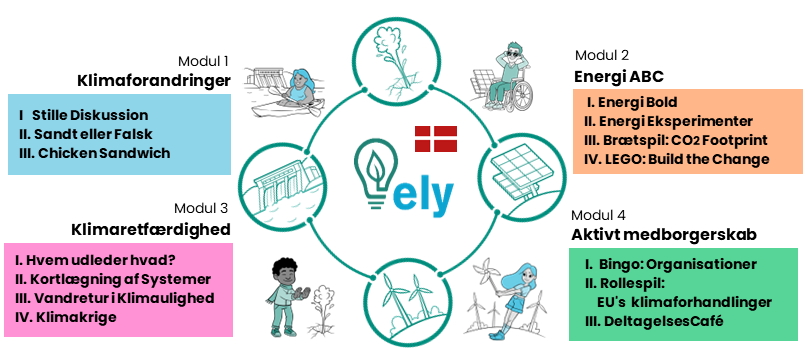
Indholdsfortegnelse til træningsmaterialet for "Energikompetencer
for Unge" (ELY) med 14 metoder i 4 moduler.
Hver metode er beskrevet i Håndbogen (37 sider) og bruges
sammen med Facilitatormaterialet (116 sider) og faktaarkene
(47 sider).
Baggrundsteksten (19 sider) indeholder en introduktion til projektet
og træningsmetoderne. |
|
ELY
Håndbogen (37 sider) (pdf - på dansk) indeholder
en vejledning til træneren i,
hvordan man udfører
træningen for de 14 metoder i de 4 moduler. Den omfatter introduktion
af emnet, implementering, nemme og avancerede versioner, spørgsmål
til diskussion og konklusioner.
Der er også et estimat af, hvor lang tid en metode tager, og
hvilket facilitatormateriale og faktaark der kan bruges.
|
|
ELY
Facilitatormaterialet (116 sider) (pdf - på dansk) indeholder
materiale til udskrivning af de 14 metoder.
Håndbogen
beskriver, hvordan man bruger dem. Materialet inkluderer arbejdsark, løsningsark,
plakater, sande og falske udsagn, CO2 - forbrugsklodser og brætspil,
rollekort, systemkort, aktivitetskort og historiske tidslinjer.
Nogle metoder har også flere muligheder for, hvordan træningen
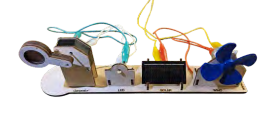
kan udføres, afhængigt af træningsniveauet. Ved energieksperimenter
kræver træneren mere forberedelse, såsom
at købe materialer eller udstyr på forhånd (f.eks. flytbare
solcellesæt og vindenergisæt, en wattmåler eller en solradio).
Der findes også billigere muligheder, men de kræver længere
forberedelse og længere tid at implementere (f.eks. en solkoger,
en høkasse eller en cykelvindmølle).
Til sidst er der en ordliste i et letforståeligt
sprog.
|
|
|
|
ELY
Faktaarkene indeholder 12 emne:(50 sider,
pdf - på dansk)
Faktabladene omfatter solenergi, vindenergi, vandkraft,
biomasseenergi, varmepumper, energibesparelser, energieffektivitet og
energitilgængelighed, 100 % vedvarende energi, energifællesskaber, hvad
er klimaforandringer, sociale aspekter af klimaforandringer, energifattigdom
og energikrige.
Viden fra faktabladene hjælper træneren med at facilitere diskussionerne
om den relevant metode. Håndbogen forklarer, hvilke faktaark der kan
anvendes i forbindelse med metoderne.
For eksempel kan man via faktaarkene om energi få grundlæggende viden
om, hvad det er, hvordan det fungerer, hvilke typer der findes, hvor
det største potentiale ligger, hvor det bruges mest, og hvordan det har
udviklet sig gennem en kort historisk oversigt. Billederne, kortene,
graferne og den historiske tidslinje kan bruges ved eksperimentstationerne
om energi sammen med et sæt spørgsmål, der understøtter diskussionerne.
Der er også illustrerede tidslinjer over udviklingen af vind- og solenergi,
hvor deltagerne kan gætte på, hvornår en teknologi blev brugt for første
gang, og hvilke milepæle der fandt sted hvornår.
|
| |
| Modul
1 - Klimaforandringer |
|
|
1.1.
Stille diskussion |
Hvad
lærer du: Deltagerne aktiverer deres egen viden
om klimaforandringernes mekanismer, både årsager
og virkninger – videnskabelige processer og sociale konsekvenser.
Videnshuller udfyldes gennem diskussion og forklaring fra facilitatoren.
Beskrivelse og hvordan gør du: Træneren sætter
plakaterne op på væggen. Deltagerne bevæger
sig rundt i lokalet i stilhed, ser på plakaterne og skriver
ned, hvad de kommer i tanke om, på selve plakaten (første
runde), og derefter: Hvad er sammenhængen med klimaforandringer?
(anden runde). Efterfølgende vælger de den plakat,
de finder mest interessant, og placerer den ved siden af en
anden, som de mener har den stærkeste sammenhæng
med den første. Grupperne diskuterer derefter sammenhængen
og præsenterer den for de øvrige deltagere. Til
sidst diskuterer de i fællesskab klimaforandringer og
deres indvirkning på forskellige aspekter af samfundet.
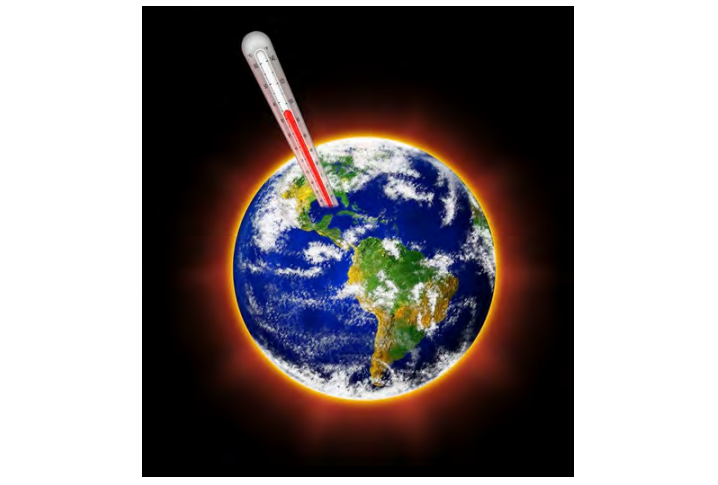
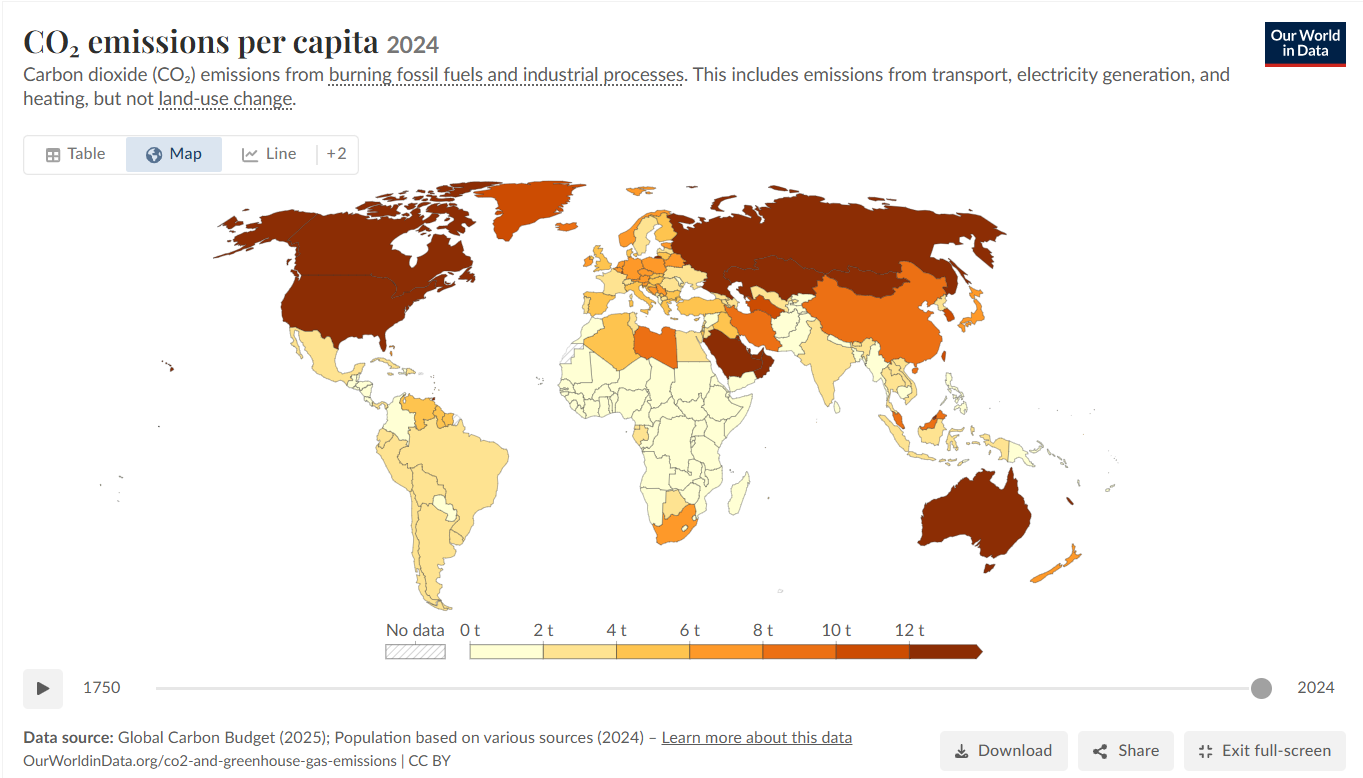
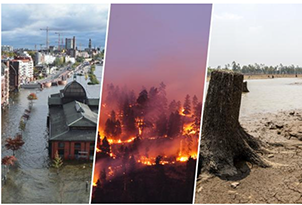
Plakaterne viser billeder af klimaforandringernes konsekvenser
(tørke, oversvømmelse, skovbrand), grafer over
stigningen i den globale temperatur og CO2-udledning,
verdenskort over CO2-udledning, kulkraftværker,
billeder af transport samt løsninger som vindenergi,
solenergi osv.
-
Materiale til brug: Sider i håndbogen: #8-9 og i facilitatormaterialet:
#2-15. (13 plakater)
- Relevante faktaark: Hvad er klimaforandringer, sociale aspekter
af klimaforandringer.
|
:-) ? :-(
|
1.2.
Sandt eller falsk |
Hvad
lærer du: Skab bevidsthed om klimaforandringernes
konsekvenser og behovet for kritisk tænkning om, hvad
der er sandt, og hvad der er falsk.
Beskrivelse
og hvordan gør du: Deltagergruppen får
udsagn om klimapåvirkninger, som de diskuterer og beslutter,
om udsagnene er sande eller falske. Bagefter præsenterer
gruppen det for de andre, og det diskuteres i fællesskab.
Til sidst giver facilitatoren en forklaring.
- - Materiale til brug: Sider
i håndbogen: #10 og i
facilitatormaterialet: #16-19.
- Relevante faktaark: Hvad er klimaforandringer, sociale aspekter
af klimaforandringer.
|
|
|
1.3.
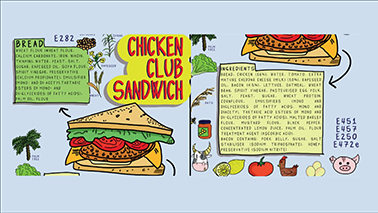
Kyllingesandwich |
Hvad
lærer du: Udforsk forbindelserne mellem mad og bæredygtighed,
miljø og menneskers sundhed. Reflekter over, hvad vi spiser, og dets
indvirkning.
Beskrivelse
og hvordan gør du: Hvert hold på 3-4
personer modtager et faktaark om ingredienserne i en kyllingesandwich
og udsagn om klima- og miljøeffekter. Opgaven er at
beslutte, hvilke effekter der er relateret til kyllingesandwichen.
- Materiale til brug: Sider
i håndbogen: #11 og facilitatormateriale
#20-22.
- Relevante faktaark: Hvad er klimaforandringer, sociale aspekter
af klimaforandringer.
|
| Modul
2 - Energi ABC |
|
|
|
|
2.1,
Energibold |
Hvad
lærer du: Interaktiv energiser, der aktiverer
deltagernes viden gennem bevægelse og hurtig idédeling. Lær
mere om, hvad
vi gør for at spare energi, og hvilke typer vedvarende energi der findes.
Beskrivelse
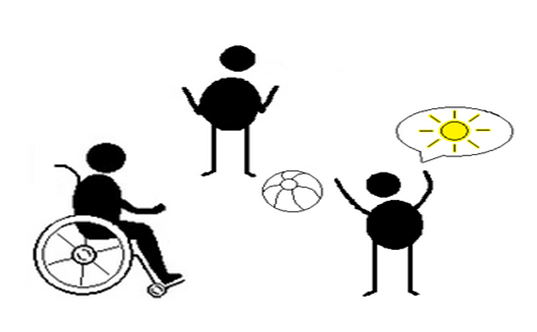
og hvordan gør du: Gruppen står i
en cirkel og kaster en bold til en anden person i cirklen.
Personen, der kaster bolden, siger noget om emnet. Emnerne
er: Hvordan bruger vi energi? Hvad gør vi for miljøet?
Hvordan kan vi sparer energi? Hvilken slags vedvarende eller
ikke-vedvarende energikilde kender du. Underviseren skriver
listen over idéer
på en
flipover, og deltagerne diskuterer den og udfylder hullerne.
- Materiale til brug: Sider
i håndbogen: #13-14 og facilitatormateriale
#23.
- Relevante faktaark : Energibesparelser, effektivitet og bæredygtig
livstil / tilstrækkelighed;
100% vedvarende energi.
|
|
|
2.2.
Energi eksperimenter |
Hvad
lærer du: Praktisk udforskning af energiforbrug
(måling med en elmåler), produktion og overførsel
af vedvarende energi (sol, vind, mekanisk) og madlavning
gennem eksperimenter. Tilføjet brug af kort, grafer
og billeder fra faktaarkene, bringer aspektet af regionale
forskelle og uligheder i betragtning.
Beskrivelse
og hvordan gør du: Praktisk øvelse
på 5 stationer, hvor hvert hold cirkulerer mellem
stationerne, hvor de tester modeller for vedvarende energi,
måler energiforbrug og sammenligner effektivitet,
og opdager madlavningsmuligheder, herunder diskussion af
forskelle og ligheder mellem Nord og Syd samt kvinders
rolle. Metoderne inkluderer også billigere muligheder,
som kræver længere forberedelse og mere tid.
(f.eks. at byggee en cykel hjul til en vindmølle,
bygge et solkomfur eller en høkasse, eller madlavning
under træningen.
- Materiale til brug: Sider
i håndbogen:
#15-18 og undervisermateriale: #24-48 (5 stationer).
- Relevante faktaark: Solenergi; Vindenergi;
Biomasseenergi; 100% vedvarende energi; Energibesparelser.
- Ekstra mulighed: brug af historiearkene for sol- og vindenergi, billeder
og grafer, der diskuterer besvarelse af et sæt simple spørgsmål. |
|
|
2.3.
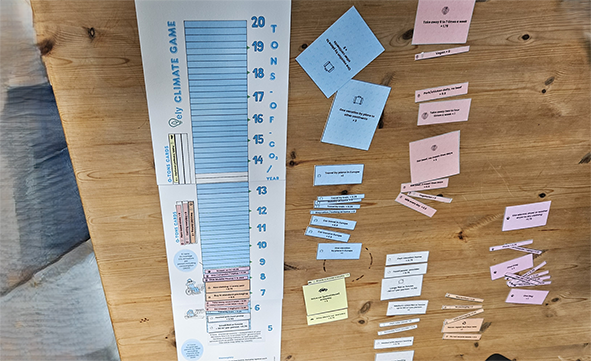
Brætspil: CO2 fodaftryk
|
Hvad
lærer du: Udforsk, hvordan
vores livsstilsvalg påvirker vores
individuelle CO2-fodaftryk, og hvordan
landets politiske beslutninger påvirker
vores valg.
Beskrivelse
og hvordan gør du: Hvert hold på 3-4
personer modtager et spillebræt og forskellige CO2 -
klodser, der symboliserer CO2-udledning
i tons pr. år.
Klodserne er i forskellige sektorer. Hvert hold beslutter sig
for livsstilsvalg: spiser de kød/kylling/vegetar, kører
de bil, har de hund/kat, computer, hvordan de opvarmer deres
hjem, og rejser de på ferie med fly/tog/cykel eller bliver
de hjemme.
De typiske valg ender med at udlede alt for meget CO2,
så i
næste runde skal de reducere forbruget. Under spillet
kan der være 2-3 runder med genoptræning. Hvert
hold forklarer deres valg. Vinderen er det hold, der kan reducere
CO2 mest.
Til sidst, er der en mulighed for at reducere det grundlæggende
CO2- forbrug, hvilket ikke afhænger
af de individuelle valg, men bestemmes af regeringer gennem
lovgivning eller økonomisk
støtte. Der er politikkort for hver sektor, som kan
reducere/øge CO2- udledningen.
Hvert valg diskuteres af holdet. Brætspillet er et godt
diskussionspunkt om, hvordan livsstilsvalg og politiske beslutninger
former vores CO2-aftryk.
- Materiale til brug: Sider i håndbogen: #19-20 og facilitatormateriale
#49-66.
- Relevante faktaark : Energibesparelser, effektivitet og tilstrækkelighed;
Varmepumpe; Sociale aspekter af klimaændringer; |
|
|
2.4.
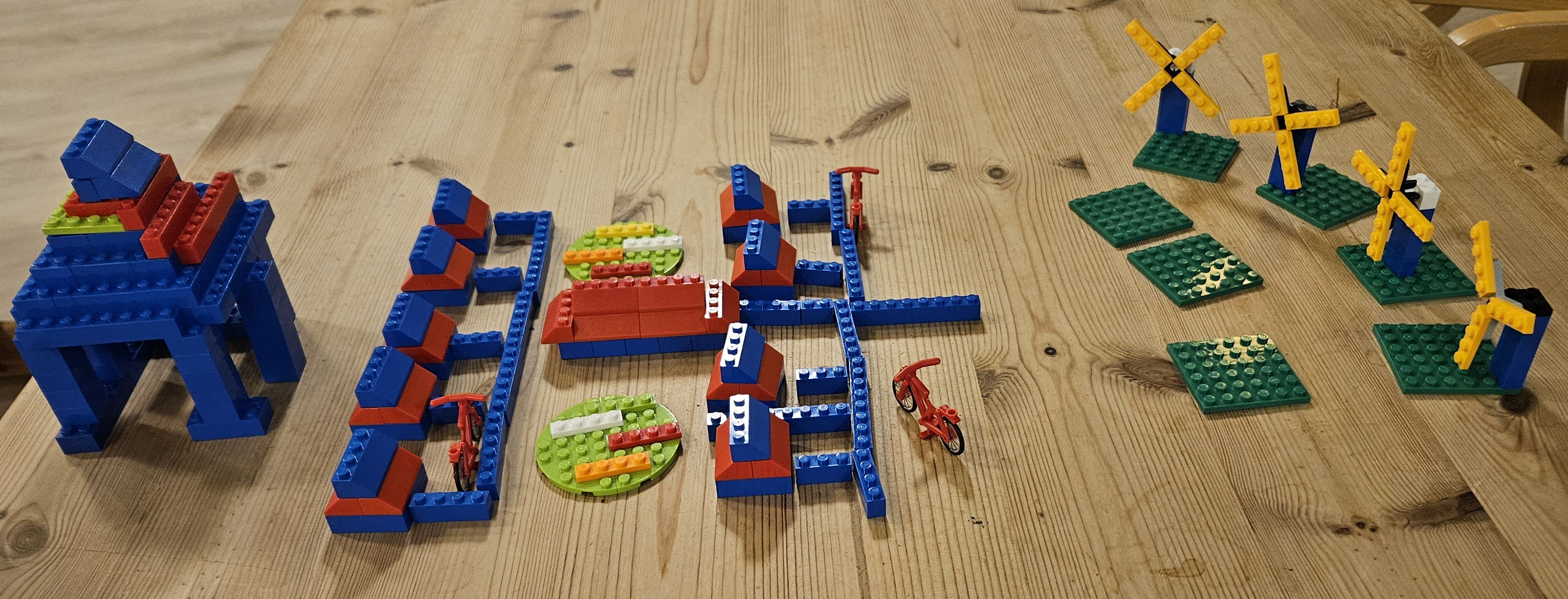
Lego: Build the Change -
Byg Forandringen - Fremtidsscenarier |
Hvad
lærer du: Lego frigør fantasien. Giv mulighed
for at være en del af forandringen ved at skabe et
optimistisk syn på fremtiden og vise fællesskabets
kraft inden for vedvarende energiproduktion.
Beskrivelse
og hvordan gør du: En kreativ gruppeopgave
med at bygge klimaneutrale fremtidige fællesskaber med
LEGO. Træneren opsætter et rum med en stor kasse
LEGO. Deltageren udforsker at bygge et fremtidigt fællesskab
med huse, haver, fælleshuse, vind, solenergi osv. Nogle
bygger kompliceret på en enklere måde. Intet design
er forkert – fantasi og engagement er nøglen.
Et vigtigt element er diskussionerne. Før Lego-byggeriet
får deltagerne en introduktion til, hvad et energifællesskab
er, de 8 grunde til at lave et vedvarende energifællesskab,
og 6 trin til, hvordan man laver dem, samt lærer om eksempler.
- Materiale til brug: Sider i håndbogen:
#21-22 og facilitatormateriale #67-72.
- Relevante faktaark : Energifællesskaber.
|
| Modul
3 - Klimaretfærdighed |
|
|
|
|
3.1.
Hvem udleder hvad? |
Hvad
lærer du: FN's Parisaftale sætter
mål
for at begrænse den globale opvarmning i de enkelte lande.
Find ud af, hvilke lande der er de største og mindste
udledere af CO2. Reflekter over ansvaret
for at begrænse
emissioner: herunder regeringers, organisationers og enkeltpersoners
rolle.
Beskrivelse
og hvordan gør du:
-
Rangordning af lande: Hver gruppe
får en liste over lande og rangerer dem efter deres
CO2-udledning.
Derudover kan grupperne rangere landene efter CO2 -
udledning pr. person eller blot diskutere forskellene.
Metoden er at åbne
for en diskussion om historisk ansvar og retfærdighed.
- Fire-hjørner-aktivitet: Hvem skal handle først?
Træneren opstiller rummets fire hjørner: • Højindkomstlande,
der historisk set har udledt mest • Vækstøkonomier,
der nu er blandt de største udledere (f.eks. Kina, Indien,
Brasilien) • Internationale organisationer (FN-organisationer) • Enkeltpersoner
og NGO'er, lokalsamfund. Deltagerne bliver bedt om at stille
sig i det hjørne, hvor de mener, hvem der bør
tage føringen i at reducere emissionerne, og forklare
deres synspunkter.
-
Materiale til brug: Sider i håndbogen: #24-25
og facilitatormateriale # 73-74.
- Relevante faktaark : Sociale aspekter af klimaændringer.
|
|
|
3.2.
Kortlægning: globale systemer |
Hvad
lærer
du: Skaber forståelse for, hvordan energisystemer er
forbundet på tværs af industrier og infrastruktur.
Viser klimapåvirkninger (miljømæssige og
sociale) på mennesker og forbindelser til de forskellige
sektorer. Diskuterer rollen af ??regeringer, kommuner og store
virksomheder.
Beskrivelse
og hvordan gør du: En fælles kortlægningsøvelse,
der forbinder energiforbruget i forskellige sektorer med virkningerne,
og viser, hvordan globale systemer driver emissioner og ulighed.
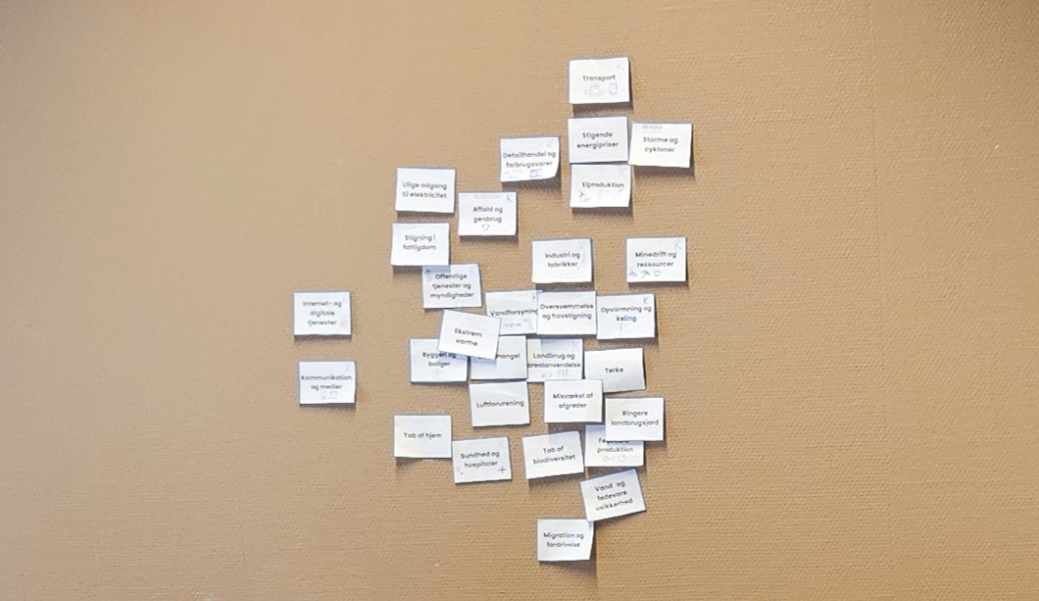
Træneren laver en brainstorming om kategorier eller
tager de færdige kort fra facilitatormaterialet.
Der er 15 kort om energiforbrugssektorer (transport, fødevarer,
sundhed osv.), 9 kort om miljøpåvirkninger (hedebølger,
træk, oversvømmelse osv.) og 9 kort om sociale
påvirkninger (tab af hjem, vandmangel, migration osv.).
Deltagerne får et eller to sektorkort og placerer dem
på en flipover eller en væg. Hvert kort skal placeres
i nærheden af dem, der er mest forbundet, og deltagerne
diskuterer forbindelserne. Hvis du bruger en flipchart,
kan du tegne linjer for, hvordan de er forbundet. Effektkortene
kan laves i næste runde.
-
Materiale til brug: Sider i håndbogen: #26-28
og facilitatormateriale #75-80 (sektorkort og effektkort).
- Relevante faktaark: Sociale aspekter af klimaændringer.
|
|
3.3.
Vandretur i klimaulighed |
Hvad
lærer du: Udvikle
empati og kritisk tænkning om global miljøretfærdighed.
Forstå klasse- og lokationsaspekter af klimauretfærdighed.
Sæt klimaforandringer som en effekt af et økonomisk system
.
Beskrivelse
og hvordan gør du: En bevægelsesbaseret,
historiefokuseret gåtur, der illustrerer klimaets påvirkninger
fra det virkelige liv og opmuntrer til følelsesmæssigt
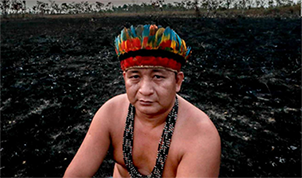
engagement. Historierne omfatter forurening, synkende øer,
skovfældning
til sojaproduktion, fracking, e-affald, kulminedrift, skovbrande,
migrantarbejdere på en elbilfabrik osv. Der er 11 case story-ark,
som indeholder et billede og en beskrivelse, og 2 spørgsmål:
Hvilken slags påvirkninger kan du se på miljøet
og klimaet? og på samfundet og økonomien? Deltagerne
går rundt
og besvarer spørgsmålene.
-
Materiale til brug: Sider
i håndbogen: # 29-30 og facilitatormateriale
#83-93 (case story-ark).
- Relevante faktaark: Sociale aspekter af klimaforandringer, energifattigdom,
energikrige.
|
|
3.4.
Klimakrige |
Hvad
lærer du: Forstå, hvordan klimaforandringer bidrager
til moderne konflikter og påvirker fred og sikkerhed. Find eksempler
på klimarelaterede spændinger.
Beskrivelse
og hvordan gør du: En casebaseret aktivitet, der
undersøger konflikter formet af klimatryk, og som fører
til diskussion om fred, ressourcer og retfærdighed. For at indsamle
cases, lav en brainstorm eller brug konfliktkort og videoer. Hvert hold
får et konfliktkort, som de diskuterer og bliver enige om at besvare
spørgsmålene: hvad forårsager konflikten, hvilke grupper
er involveret, og hvordan den er forbundet med klimaforandringer, energi
og økonomi. Kortene placeres på et globalt kort. Bagefter
præsenterer gruppen casen for de andre og deres konklusioner. Endelig
diskuterer de, hvordan man løser disse konflikter, og hvad kan
vi gøre for at forhindre fremtidige konflikter?
-
Materiale til brug: Sider i håndbogen: #31-32 og facilitatormateriale
#94-98. (konfliktkort)
- Relevante faktaark: Sociale aspekter af klimaforandringer, energikrige.
|
Modul
4 - Aktivt medborgerskab
|
|
|
|
4.1.
Organisationsbingo |
Hvad
lærer du: Bliv bekendt
med internationale klimaorganisationer og -processer. Skab forbindelser
mellem globale organisationer og lokale organisationer, som deltagerne
kender.
Beskrivelse
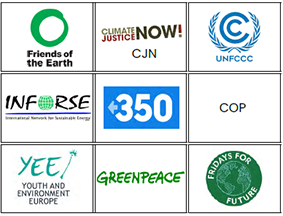
og hvordan gør du: Det traditionelle bingospil, hvor
der i stedet for tal er organisationslogoer på hver bingoplade.
Træneren bruger en film eller læser en historie op, hvor
organisationens navn er en del af historien. Når du hører
organisationens navn, sætter du et kryds på pladet, og når
alle organisationer er nævnt på en linje, siger du "bingo".
Gennem spillet introduceres organisationerne bag de
internationale klimaforhandlinger, nationale og lokale organisationer.
Efter spillet er der en diskussion om, hvordan forbindelserne er fra
internationale til lokale aktører og initiativer.
Facilitatorvejledningen har et eksempel, men typisk skal træneren
lave en lokal version. Vi planlægger at indsamle bingohistorierne,
så informer os venligst, hvis du laver en. Send e-mail til ove@inforse.org.
-
Materiale til brug: Sider i håndbogen: #34-35
og facilitatormateriale #99-101.
- Relevant faktablad: Klimaændringer.
|
|
|
4.2.
Rollespil: EU's klimaforhandlinger |
Hvad
lærer
du: Forstå de demokratiske udfordringer ved nationale og
EU-energipolitikker.Øv dig i forhandlings- og samarbejdsevner.
Beskrivelse
og hvordan gør du: Dette er en rollespilssimulering,
hvor deltagerne fungerer som ministre i et land for at forhandle klima-
og energipolitikker og nationale mål for at nå EU-målet.
Træneren giver et landekort og kortene med politiske foranstaltninger
til landegruppen. Der er 3 lande (Danmark, Tyskland, og Polen). Hvert
landehold består af 3-4 ministre og en premierminister, der diskuterer
forskellige politiske muligheder fra politikkortene i 4 sektorer. Ministrene
spiller
deres rolle i henhold til deres interesse. De diskuterer, debatterer
og vælger politiske muligheder, som de er enige om, og som har
CO2- reduktionseffekter . Bagefter præsenterer landeholdene,
hvad de har besluttet, og de andre landehold kommenterer det. Træneren
kan spille rollen som EU-kommissæren. Hvis de samlede reduktioner
ikke er tilstrækkelige, vil landene diskutere og være nødt
til at indgå kompromiser.
Rollespillet kan spilles på en avanceret måde, hvor de redigerer
deres valg i et Excel-ark, og Excel-arket beregner reduktionen. På denne
måde er det muligt at se, hvilke foranstaltninger der når
den målrettede reduktion.
- Materiale til
brug: Sider i håndbogen: #36-37 og facilitatormateriale
#102-110.
- Relevante faktaark: 100 % vedvarende energi.
|
|
4.3.
Deltagercafé |
Hvad
lærer du: Lær om forskellige former for
folkelig
og demokratisk deltagelse. Reflekter over eget og andres engagement.
Opfordre til fremtidig aktivt medborgerskab.
Beskrivelse
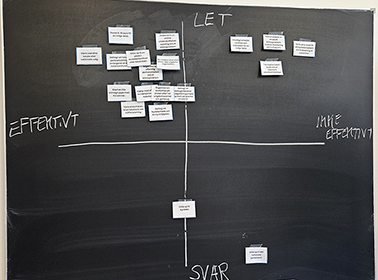
og hvordan gør du: Træneren tegner et skema
med lodrette og vandrette akser, der angiver, hvor let/svært og
hvor effektiv handlingen er. Deltagerne modtager et eller flere kort,
der beskriver forskellige handlinger, f.eks. at underskrive en underskriftsindsamling,
deltage i en affaldsoprydning, organisere et genbrugsmarked, stille op
til byrådet osv. Deltagerne læser kortene og placerer dem
på skemaet efter, hvor let/svært og hvor effektive de er.
Til sidst diskuterer og/eller mærker deltagerne, hvilken handling
de har udført, tilføjer manglende handlinger og deler deres
meninger om de forskellige handlinger.
-
Materiale til brug: Sider
i håndbogen: #38-39 og facilitatormateriale
#110-113 (handlingskort)
- Relevante faktaark: Hvad er klimaforandringer?
|
|
| |
| |
Projektet "Energy
Literacy for Youth" [ELY] er kapacitetsopbygning for ungdomsuddannelse,
der støtter unge menneskers færdigheder og evner til at
blive aktive borgere inden for klimaændringer og vedvarende energi.
Energifærdigheder giver enkeltpersoner og samfund mulighed for
at træffe informerede beslutninger om energiforbrug, fremme bæredygtighed
og afbøde klimaændringer. Målgrupperne er unge (18-25 år),
undervisere og trænere, politikere og offentligheden generelt.
Der vil være særligt fokus på inklusion og mangfoldighed,
og adressere vidensgab blandt unge i marginaliserede grupper med forskellige
sociokulturelle baggrunde, handicap osv. ELY-projektet er økonomisk
støttet af EU's ERASMUS+-program.
Projektpartnere: Open Plan Foundation
(Polen, projektleder), MigLAB (Tyskland), YEE - Youth and
Environment Europe (Tjekkiet)
og INFORSE-Europe (Danmark).
Projektområde:
Projektet gennemføres i fem lande - Polen, Tjekkiet, Danmark
og Tyskland - og kulminerer i en afsluttende konference i Bruxelles
for at dele bedste praksis, resultater og strategier for en bredere
anvendelse af læseplanen.
|
| |
| Læs
mere på ELY-projektets hjemmeside: https://energyliteracyforyouth.eu/ og på projektpartnernes hjemmesider: |
|
|
| Partners
of the Project: |
|
|
|
|
|
INFORSE-Europe
International Network for Sustainable Energy - Europe, Danmark
att. Gunnar Boye Olesen, Judit Szoleczky, Rasmus Varnich Blumensaat
E: ove [at] inforse.org
sammen med INFORSE-Europas medlem, MEC-HT - Miljø- og EnergiCentret
i Høøe Taastrup i Danmark.
W: inforse.org/europe/ELY.htm & W: inforse.org/europe/ELY/
|
| |
|
|
|
|
|
|
MigLAB,
Transforming Labour and Migration, Tyskland
att. Hannah Heyenn
E: hannah.heyenn [at] miglab.de
W: miglab.de
|
| |
|
|
|
|
|
 -
-


 Nuclear
Energy
Nuclear
Energy Gender
 Structural
Funds
Structural
Funds

 English
 Czech
Czech Ukrainian